Dr. Victoria F. Burns
University of Calgary, Alberta, Canada
victoria.burns@ucalgary.ca
Nooshin Esmaeili
University of Calgary, Alberta, Canada
nooshin.esmaeili@ucalgary.ca
Keywords: Design, culture, place, empathy, wellbeing, growth/development, social work
Introduction
The built environment is never simply a backdrop to human experience. Places shape how we move, gather, relate, remember, seek refuge, and make meaning. Architecture is encountered through the body before it is understood through intellect. We experience places through movement, sensation, rhythm, atmosphere, memory, and the presence of others. Long before conscious interpretation, the body responds to environments in ways that can reinforce isolation or invite connection, safety, contemplation, and belonging.
This discussion circle asks: How do ordinary spaces become places of connection, belonging, recovery, and sacred encounters? What can addiction recovery communities and spaces (e.g. peer-support meetings) teach us about architecture, culture, ritual, and shared practice? Can places once marked by suffering become places of healing or recovery-supportive places, and if so, what enables that transformation?
The authors explore these questions through the lens of recovery, using addiction recovery as a starting point for broader conversations about embodiment, belonging, healing, and human flourishing. At the heart of this work is a belief that, in different ways and at different times, we are all recovering from something. Recovery is understood as a movement from disconnection toward wholeness, an embodied process of becoming present and renewing relationship with ourselves, the present moment, others, place, and, for many, the spiritual world.
Experiences of addiction, trauma, grief, and illness can disrupt these relationships. Recovery can help restore or strengthen our capacity to encounter ourselves, others, and place through movement, ritual, memory, silence, and shared presence.
Places Hold Multiple Stories
Central to our provocation is the idea that places can hold seemingly contradictory experiences at once. A place can contain memories of suffering and joy, isolation and belonging, addiction and recovery. Healing does not necessarily require rejecting or erasing places associated with painful chapters of our lives. It may instead involve returning to them differently, making meaning of what occurred there, and allowing our relationship with place to change as we change. This understanding emerges in part from Dr. Burns’s lived experience of addiction and recovery in Montréal, where she completed her graduate education at McGill University. Montréal and McGill hold memories of intellectual discovery, friendship, and growth, but also trauma, addiction, isolation, and a deeply normalized institutional drinking culture. The same city in which profound disconnection and trauma occurred was also the city in which recovery began.
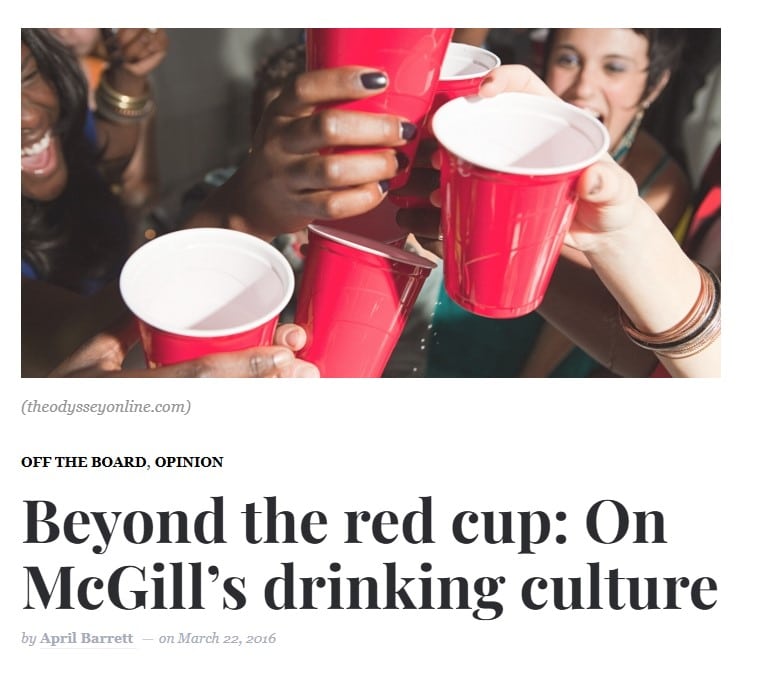
Figure 1. Drinking culture at McGill University, Montréal, (Courtesy of April Barrett).
Alcohol was embedded in social life, celebration, and belonging. For Dr. Burns, being surrounded by this culture while experiencing addiction and later navigating recovery could produce a profound sense of isolation and disconnection. In many recovery traditions, making amends involves taking responsibility for the past without remaining imprisoned by it. We extend this idea spatially: Can we make amends with place? Can returning to a place allow us to acknowledge what happened there, grieve what was lost, recognize what was gained, and loosen our attachment to a single story about what that place means?
From a contemplative perspective, this reflects the understanding that everything belongs. Recovery does not require dividing one’s history neatly into what should be remembered and what should be discarded. Integration means learning to hold complexity: the painful and the beautiful, rupture and repair, who we were and who we are becoming. Places can become witnesses to this process. This understanding emerges in part from her lived experience of addiction and recovery in Montréal, where she completed her graduate education at McGill University. Montréal and McGill hold memories of intellectual discovery, friendship and growth, but also trauma, addiction, isolation, and a deeply normalized institutional drinking culture. The same city in which profound disconnection occurred was also the city in which recovery began
From Disconnection to Reconnection
These questions eventually travelled from Montréal to Calgary. Dr. Brun’s lived experience of addiction and recovery inspired the creation of the UCalgary Recovery Community and later Recovery on Campus (ROC), supporting recovery communities across Alberta post-secondary institutions. This work informs Recovering in Place, an emerging transdisciplinary framework examining how physical, social, cultural, relational, and spiritual environments shape recovery, belonging, and human flourishing. At the University of Calgary, these ideas have moved from theory into practice through dedicated recovery spaces, peer and professional supports, substance-free activities, and greater recovery visibility, asking how campuses themselves can become recovery-supportive environments where people can connect, belong, and flourish. Figure 2 shows the UCalgary’s Recovery-Friendly Campus Pledge, illustrating how recovery-supportive design extends beyond individual spaces and programs to institutional commitments that promote dignity, visibility, access, and belonging.
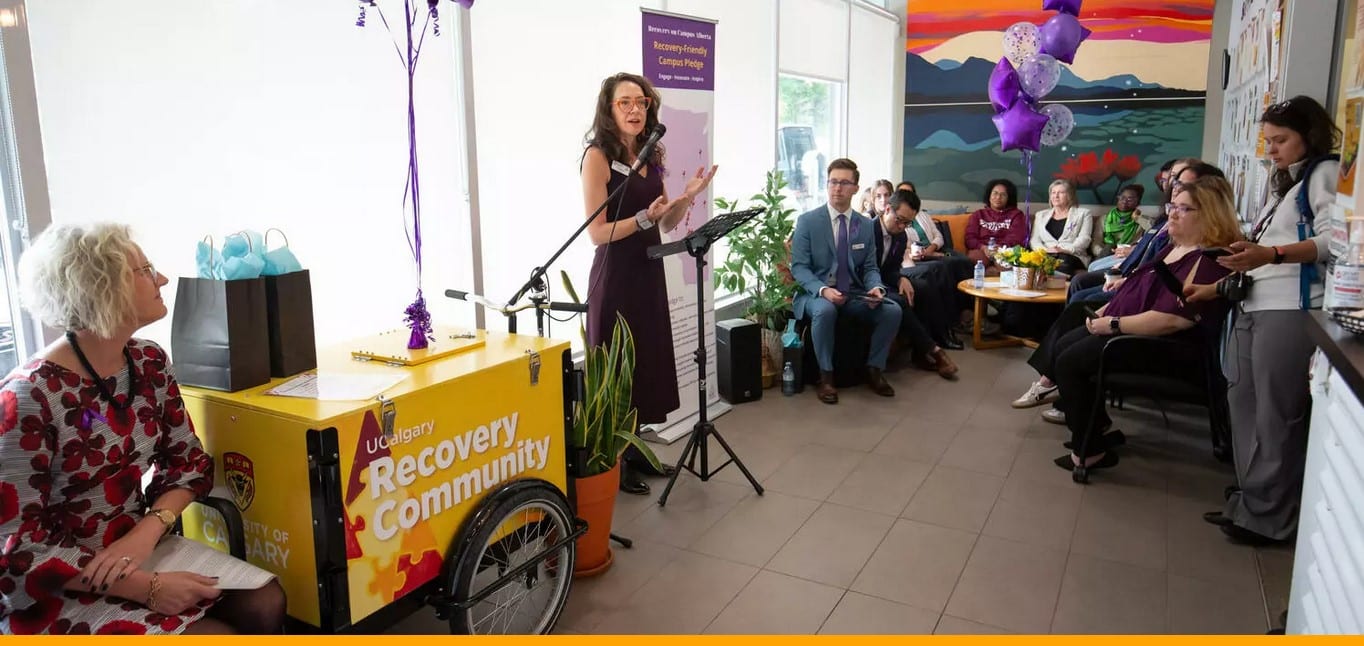
Figure 2. Recovery–Friendly Campus (RFC) pledge event at the University of Calgary (Photo: Riley Brandt).
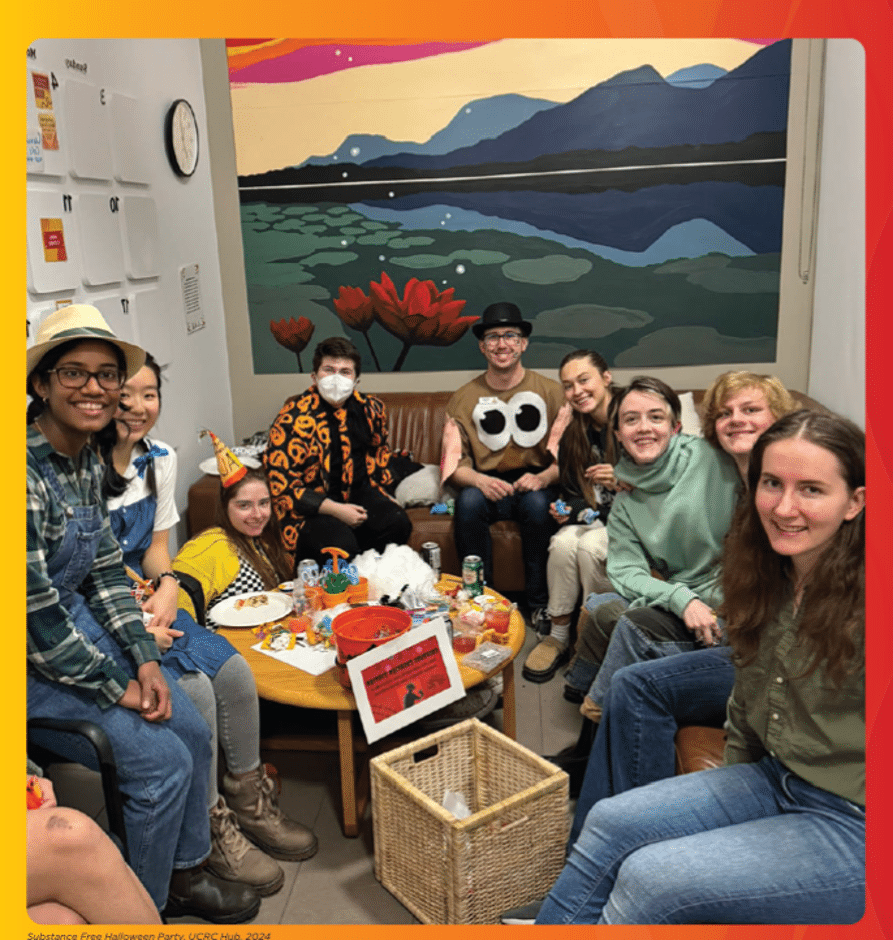
Figure 3. Substance-free Halloween celebration at the University of Calgary (Photo: Victoria Burns).
(An intentionally created campus environment where celebration, connection, and belonging do not depend on alcohol or other substances.)
Figures 1 and 3 illustrate a transformation not simply in substance use, but in place, culture, and the conditions of belonging. The first depicts an environment where alcohol was intertwined with connection and celebration, yet could leave someone experiencing addiction or navigating recovery profoundly alone. The second demonstrates another possibility: an environment intentionally creating joy, celebration, and community without requiring substance use. The contrast asks a larger design question: How can we redesign the social and spatial conditions of belonging?
Nooshin Esmaeili approaches this question as an architect investigating how the built environment shapes identity, belonging, spirituality, and embodied experience. Architecture is never neutral: it can reinforce isolation and exclusion or cultivate hospitality, dignity, contemplation, and connection. Through a design justice lens, this work examines how power, access, and lived experience shape recovery environments, and how places can be designed with, rather than merely for, people in addiction recovery to foster dignity, belonging, and reconnection. Together, the authors ask how place and setting might participate in and support recovery, rather than serving as passive containers in which it occurs.
Following a brief provocation grounded in personal narrative, theory, and practice, participants will become co-inquirers. Through facilitated dialogue, they will reflect on places that have supported healing, reconnection, belonging, or sacred encounter, attending to how these places were experienced through the body. Together, participants will identify shared spatial, relational, and spiritual principles for Recovering in Place, informing future interdisciplinary design work on recovery-supportive environments.
Montréal offers a meaningful setting for this inquiry. Its intersecting histories, identities, languages, and spiritual traditions invite reflection on how places can bear witness to suffering while becoming sites of healing, reconnection, and transformation.
Learning Outcomes
By the end of the Discussion Circle, participants will be able to:
- Recognize place as an active participant in recovery, identifying how spatial, sensory, relational, cultural, and spiritual qualities can reinforce disconnection or support safety, dignity, belonging, reconnection, and healing.
- Examine recovery through the lenses of trauma, social justice, and design justice, considering how environments can carry histories of exclusion and suffering while also becoming sites of repair, meaning-making, and transformation.
- Identify principles for recovery-supportive environments, translating insights from lived experience, recovery communities, architecture, social work, and contemplative practice into possibilities for places that actively cultivate connection and human flourishing.
Returning to Montréal: Place, Trauma, and Design Justice
The ACSF Montréal Salon offers a particularly meaningful setting for this inquiry. Montréal’s built environment carries layered Indigenous and colonial histories, migration, linguistic and religious traditions, and changing cultural identities. These histories shape who has been welcomed or excluded, whose identities are visible, and whose experiences of trauma, displacement, stigma, and marginalization are recognized. From a social and design justice perspective, this invites us to consider how places can reproduce inequities but also participate in repair.
For the Dr. Burns, returning to Montréal makes place itself part of the inquiry. The city holds experiences of discovery, friendship, trauma, addiction, normalized drinking culture, and the beginnings of recovery. Returning years later raises a personal yet transferable question: Can we make amends with place? Recovering in Place asks what becomes possible when we encounter places with attention and compassion, holding histories of exclusion and suffering alongside those of resistance, spirituality, care, and belonging.
References
Burns, V. F. (2026). Recovery beyond the individual: Toward a place-based paradigm for recovery science. Addiction, 121(7), 1643–1644. Wiley record.
Burns, V. F. (2025). Recovering in place: What the concept of place can offer the field of recovery science. Addiction Research & Theory.
Burns, V. F. (2021). The Sober Professor: Reflections on the sober paradox, sober phobia, and disclosing an alcohol recovery identity in academia. Contemporary Drug Problems, 48(3), 300–312.
de Botton, Alain. The Architecture of Happiness. London: Penguin Books, 2006.
Esmaeili, Nooshin, and Brian R. Sinclair. “Architecture, Wellbeing + Happiness: From Enriched Classrooms to Nourished Souls.” In Proceedings of the 4th Valencia International Biennial of Research in Architecture: Wellbeing for All, 710-726/727. Valencia: Editorial Universitat Politècnica de València, 2026.
Farrow, Tye. Constructing Health: How the Built Environment Enhances Your Mind’s Health. Toronto: Aevo UTP, an imprint of University of Toronto Press, 2024.
Gesler, Wilbert M. “Therapeutic Landscapes: Medical Issues in Light of the New Cultural Geography.” Social Science & Medicine 34, no. 7 (1992): 735–746.
Pallasmaa, Juhani. The Eyes of the Skin: Architecture and the Senses. Chichester: Wiley, 2005.
Relph, Edward. Place and Placelessness. London: Pion, 1976.
Sinclair, Brian R., and Nooshin Esmaeili, eds. Health, Happiness, Design, and the City: Explorations of Critical Forces & Factors Beyond the Pragmatic. Calgary, Canada: Calgary Quality in Canada Built Environment, 2026.
Sinclair, Brian R. “Salutogenesis, Design + Health: Embracing Holistic Tactics to Fostering Wellbeing in Built Environments.” In Proceedings of the 4th Valencia International Biennial of Research in Architecture: Wellbeing for All, 1016–26. Valencia: Editorial Universitat Politècnica de València, 2026.
Tuan, Yi-Fu. Space and Place: The Perspective of Experience. Minneapolis: University of Minnesota Press, 1977.