
Jump to:
The Architecture, Culture, and Spirituality Forum’s 16th International Symposium (ACSF 16) will be held at Kyoto University in Kyoto, Japan, from Wednesday, June 2nd, to Sunday, June 6th, 2027, co-hosted by the Kyoto University Institute for the Future of Human Society (IFoHS). The symposium will take a comprehensive and interdisciplinary approach to the concept of “in-betweenness.”
In-Betweenness
ACSF 16 advances a cross-cultural and interdisciplinary understanding of in-betweenness—as a spatial, philosophical, and spiritual condition shaping architecture and urban form. Anchored in the Forum’s mission to explore relationships among built form, culture, and spirituality, the symposium creates an intellectual space to rethink architecture’s ethical and epistemological role in mediating between the material and immaterial dimensions of existence. It convenes scholars, designers, and practitioners to examine how “the in-between” can serve as a generative framework for architectural thinking and practice, especially through non-Western ontologies that transcend binary divisions and embrace relational modes of being.
At the heart of ACSF 16 lies the Japanese concept of 間 (Ma)—often translated as “in-betweenness,” but more accurately denoting the interval or pause that gives meaning and vitality to existence. This idea, central to Arata Isozaki’s architectural philosophy, posits a dynamic state of relational becoming, challenging the boundaries between subject and object. In parallel, Homi Bhabha’s theorization of the “in-between” as a site of hybridity and negotiation accentuates the productive and transformative nature of liminal spaces. By placing these frameworks in dialogue, the symposium seeks how the “in-between” functions not only as a spatial experience but as an ontological and spiritual reality capable of reconciling oppositional terms such as East/West, self/other, and matter/spirit.
ACSF 16 thus pursues two core objectives. First, it seeks to expand architectural discourse toward a holistic view of architecture as a mediating practice embedded within cultural, ecological, and metaphysical realms. Second, it reconsiders spirituality in architecture as an ontological stance affirming the interdependence of all beings.
The symposium’s structure affirms the multiplicity of in-betweenness through four interconnected themes that, though not exhaustive, delineate the main conceptual and practical domains of concern:
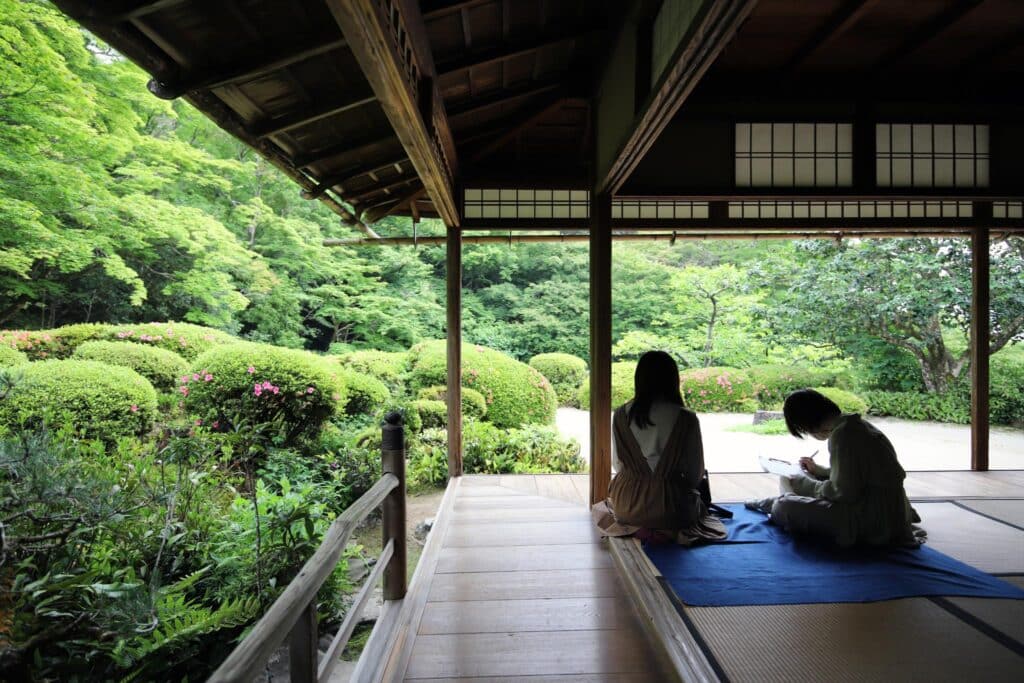
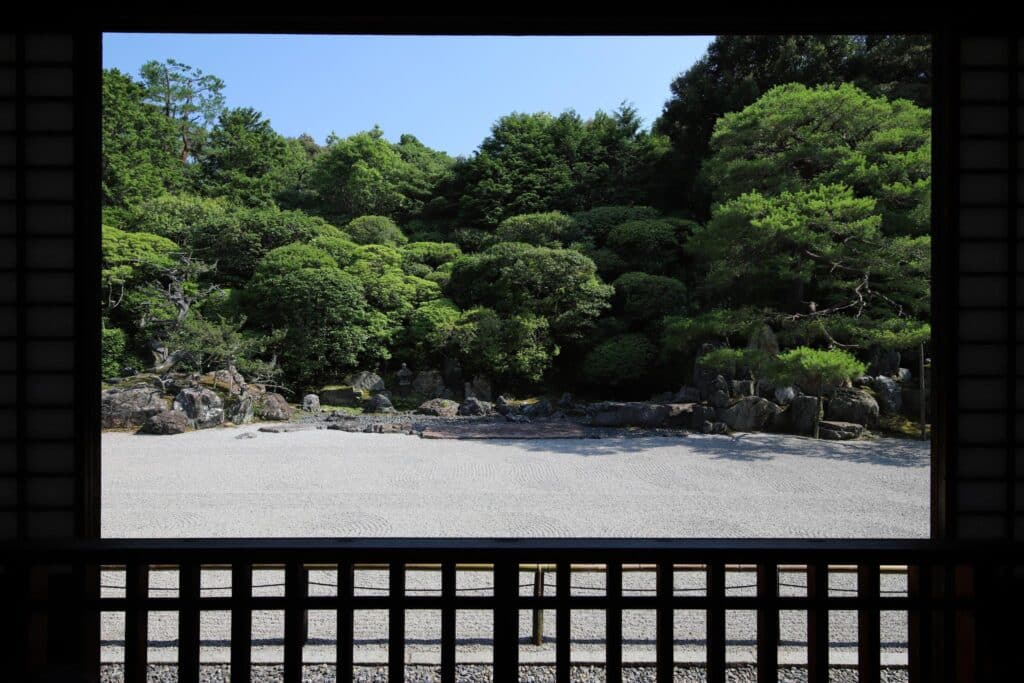
Kyoto, a former capital of Japan for over 1,000 years, serves as an exceptional location for ACSF 16 in 2027. It is a living testimony to the origins and development of Japanese religious and secular architecture, featuring iconic temples, shrines, gardens as well as contemporary experimentations that embody the very concepts discussed at the conference. Attendees will have opportunities to observe these historic spaces and engage in traditional activities like tea ceremonies and meditation sessions, directly experiencing the themes discussed.
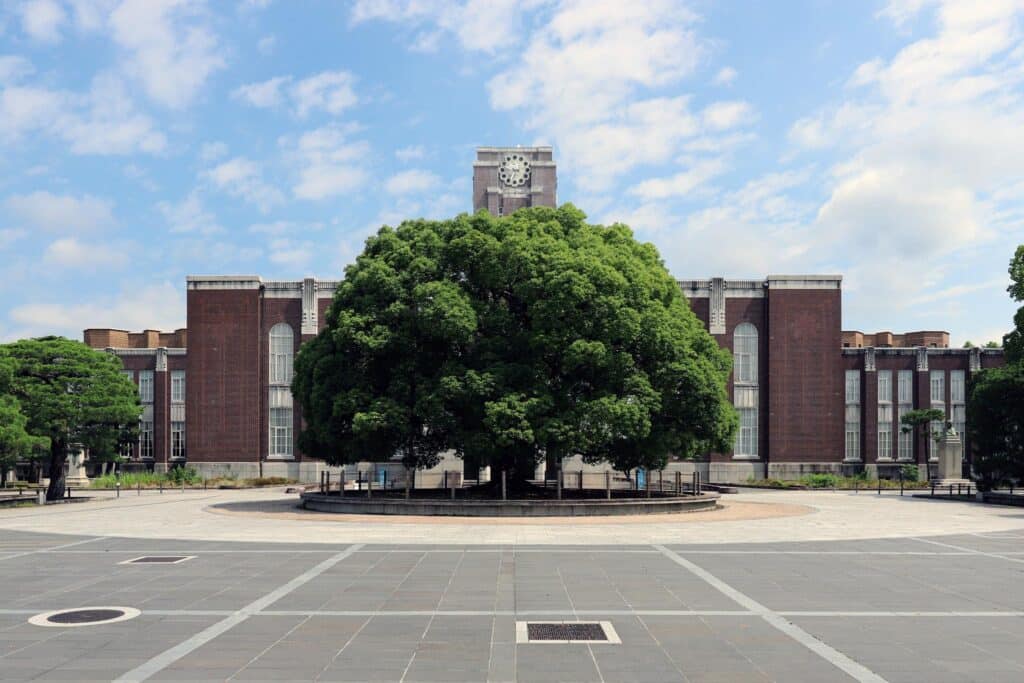
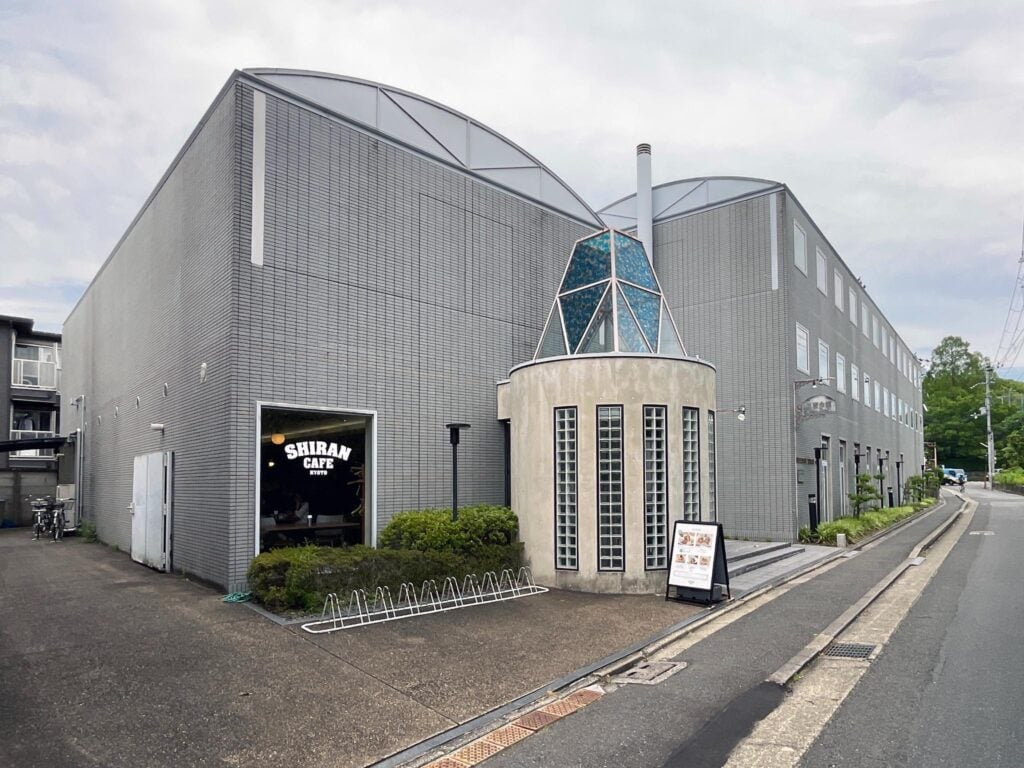
ACSF16 takes place at two unique venues on the Kyoto University campus. Sessions and workshops from Wednesday to Friday are at the Shiran Kaikan Annex. Programs on the weekend, are at the Kyoto University Clock Tower Centennial Hall.
The Kyoto University Clock Tower Centennial Hall is the historic symbol of the university. Originally built in 1925, it was designed by the renowned architect Goichi Takeda, a pioneer of modern Japanese architecture. Today, the hall seamlessly blends its profound classical heritage with state-of-the-art conference facilities.
Located adjacent to Kyoto University’s Yoshida Campus, between Yoshida Hill and the Kamo River, Shiran Kaikan Annex provides a relaxed academic setting with modern AV facilities, meeting rooms, a courtyard terrace, and a café.
Our co-host, the Kyoto University Institute for the Future of Human Society (IFoHS), bridges humanities and scientific inquiry, contributing to a holistic understanding of human existence and the built environment. The integration of the Kyoto School complements ACSF’s dedication to exploring the spiritual dimensions of architecture and culture, fostering interdisciplinary dialogues and innovation.
Submission requirements for each category are shown below.
Papers
500–1,000 words, 3 to 5 references, with suggested 2 to 3 images (caption required)
The submission must include title, keywords (3 to 5), fit to the symposium theme, objective, context, argument, approach, and contribution.
(Once accepted, the final submission will be up to 2,000 words with full references and 2 to 5 images.)
Projects
500–1,000 words, 3 to 5 references, and 3 to 5 images (caption required)
The submission must include title, keywords (3 to 5), fit to the symposium theme, objective, context, argument, and approach. Texts must reflect or explain the images.
(Once accepted, the final submission will be up to 8 images accompanied by up to 1,200 words with up to 8 references.)
Workshops
500–1,000 words, Instructor’s profile (describing their ability/credentials to lead the proposed workshop), 3 to 5 references if helpful, with suggested 2 to 3 images (caption required)
The submission must include title, keywords (3 to 5), fit to the symposium theme, objective, approach (including activity plan and time estimate), maximum number of participants, and spatial requirements (room setup, AV, tables, wall space, etc.).
Important: Procurement and transportation of the materials for the instructors (author of the abstract) and participants are the instructors’ responsibility. ACSF will NOT provide them.
(Once accepted, the final submission will be up to 1,200 words with full references and 2 to 3 images.)
If you have any questions related to the symposium, please email us at
Fee to be paid to ACSF:
Included in the fee for five-day participants are: Attending sessions for all five days, 1 dinner (Wed), 4 lunches (Thurs, Fri, Sat, Sun), and coffee/tea during breaks
Included in the fee for two-day participants are: Attending sessions on Saturday and Sunday, 2 lunches (Sat & Sun), and coffee/tea during breaks
NOT included in the fees: accommodation, transportation, & meals not listed above.
Accommodation
Reserved by ACSF, paid by guests on site at the time of check-in
Only 14 rooms available. ACSF will announce the reservation process in the future. Priority to accepted speakers.
Other accommodations, reserved and paid by guests Please book directly with the hotel. Early booking is recommended.
Transportation (Flight + Train)
The rates below reflect estimated airfare to Kansai International Airport as of June 2026. A train ride from Kansai to Kyoto is about $40 for a return trip.
There is no international airport in Kyoto. Participants need to fly to Osaka (Kansai or Itami airport) and then take a train to Kyoto. Alternatively, they can fly to Tokyo (Narita or Haneda airport) and then take a connecting domestic flight or transfer to rail service.
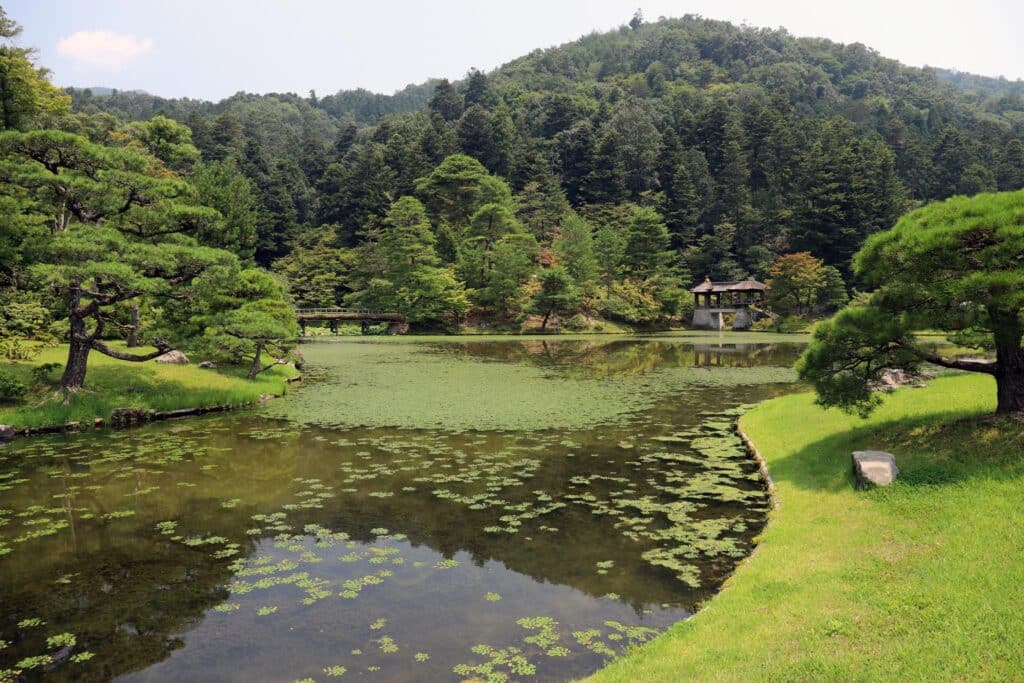
ACSF 16 is structured as a five-day symposium that combines scholarly presentations, invited conversations, experiential activities, and organized gatherings. As outlined below, the schedule includes six paper/panel sessions, three keynote-related events, one special invited Kyoto University/IFoHS panel, two workshop slots, two walking tours, one Ma-focused cultural experience, one membership meeting, and a board retreat, including a board meeting, breakfast, and lunch. The program also includes recurring daily meditation sessions, shared meals, registration and reception, and informal evening gatherings, creating a balance between academic exchange, embodied experience, cultural engagement, and community-building.
Tentative Schedule
Day 1: Wednesday, June 2nd, 3PM to 7:30PM at
Day 2: Thursday, June 3rd, 9AM to 6PM
Day 3: Friday, June 4th
Day 4: Saturday, June 5th
Day 5: Sunday, June 6th
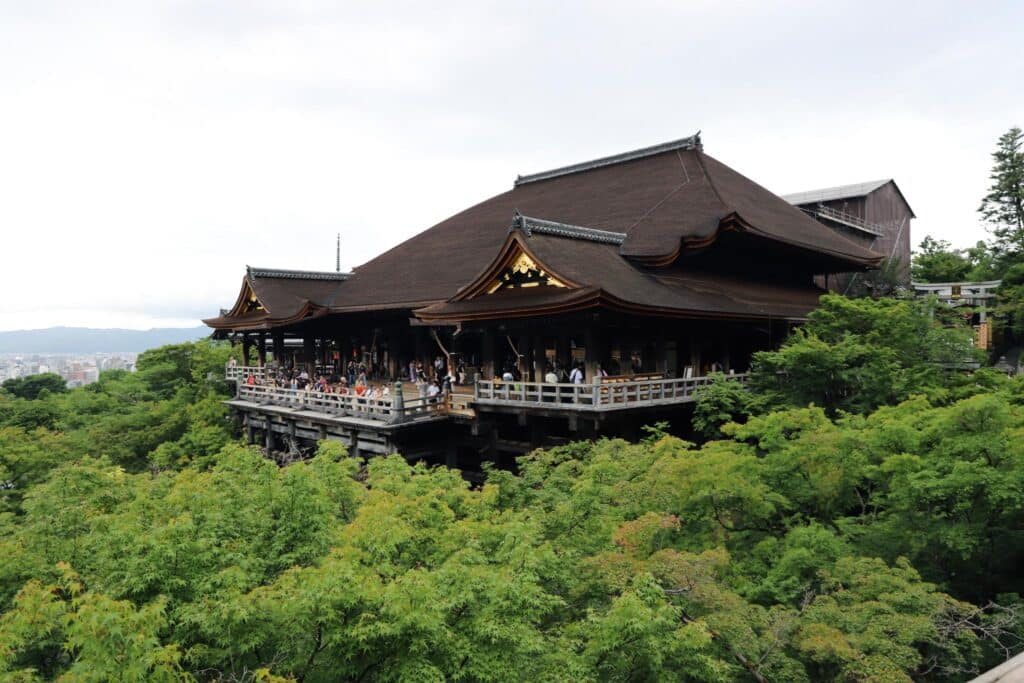
As part of the ACSF Kyoto 16 Symposium, ACSF has invited the Institute for the Future of Human Society (IFoHS) at Kyoto University to curate a special invited panel that highlights the rich, interdisciplinary research culture of Kyoto University and strengthens the symposium’s intellectual connection to Kyoto.
Bringing together diverse voices across academia, the session features a dynamic dialogue exploring the concept of “in-betweenness” among scholars from various fields, such as anthropology, Japanese philosophy, and landscape studies, comprising two researchers from the IFoHS alongside one to two experts from other departments.
In addition, the symposium will open with a first-day keynote by a globally recognized, well-established Japanese architect whose work and ideas closely resonate with ACSF-16’s theme of “in-betweenness,” exploring the relationships between space, culture, and lived experience. Further details, including the keynote speaker’s name and profile, will be announced soon.
The keynote lectures and IFoHS invited panel to make the symposium a meaningful forum for exploring how architecture participates in the creation of relational spaces, cultural memory, and more nuanced forms of human and environmental coexistence.
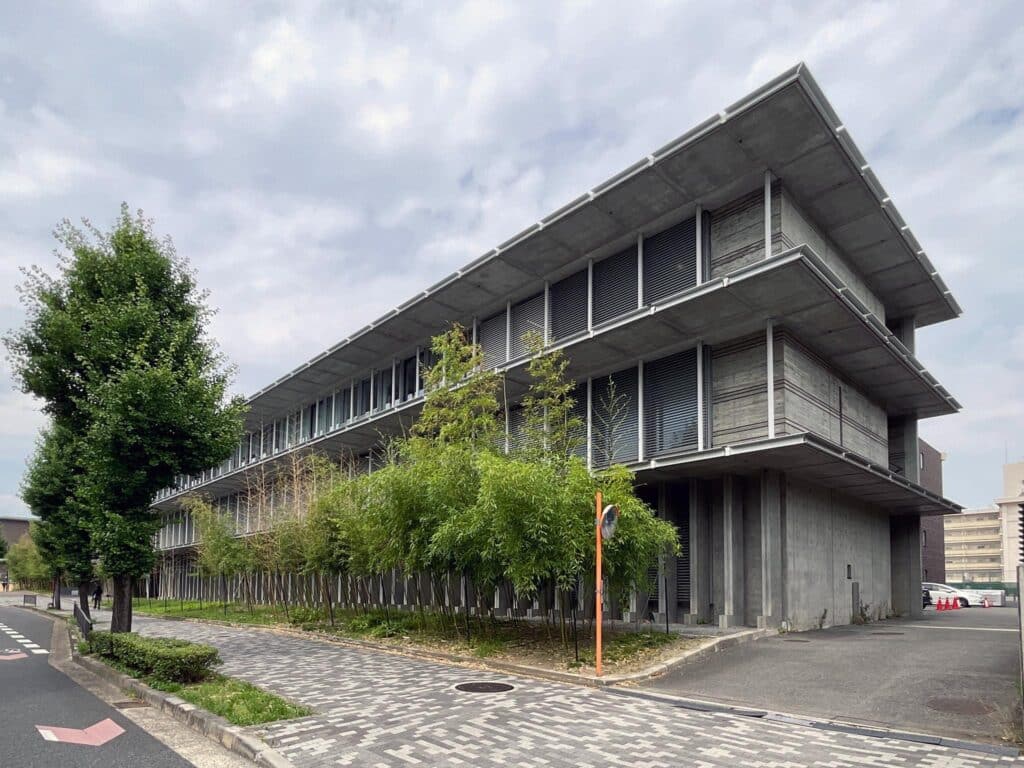
As part of the conference program, we invite participants to join our walking tour to step outside the venue and physically experience “in-betweenness.” Participants will be divided into groups, exploring the areas to the North and East of the university campus. The routes will guide you through the intersecting spaces where the academic environment meets local civic life, and where the urban landscape slowly blends into the sacred environments. Possible locations with links:
North of the University
With historical records dating back to 90 BC, Shimogamo Shrine is one of Kyoto’s oldest and most revered sanctuaries. It observes the 21-year rebuilding tradition known as Shikinen Sengu. Its auxiliary shrine, Kawai Shrine, enshrines the mother of Emperor Jimmu.
A sacred, primeval forest that has survived since the Jomon period. Covering about 12 hectares (36,000 tsubo), this ancient woodland offers a tranquil escape in the heart of Kyoto.
Founded in 1573, this historic temple is famously known as the “Hagi Temple.” In late September, the grounds are beautifully covered in light purple and white bush clovers. It once served as a lodging for the famous samurai Katsu Kaishu.
East of the University
Founded in 859 to protect the ancient capital of Heian-kyo. It is deeply revered as a shrine that provides guidance, wards off evil, and brings good luck.
Built in 1482 by Shogun Ashikaga Yoshimasa, Ginkaku-ji (officially Jisho-ji) was affectionately named the “Silver Pavilion” during the Edo period to contrast with Kinkaku-ji (the Golden Pavilion). Just a short walk away lies the Philosopher’s Path. Named after the famous philosopher Kitarō Nishida (1870-1945), who loved strolling here, this scenic trail is highly popular for viewing beautiful cherry blossoms in spring and fireflies in summer.
Founded in 1175, this temple originates from a small hermitage. Legend has it that when a holy priest prayed on a rock here, purple clouds and a brilliant divine light miraculously illuminated the entire mountain.
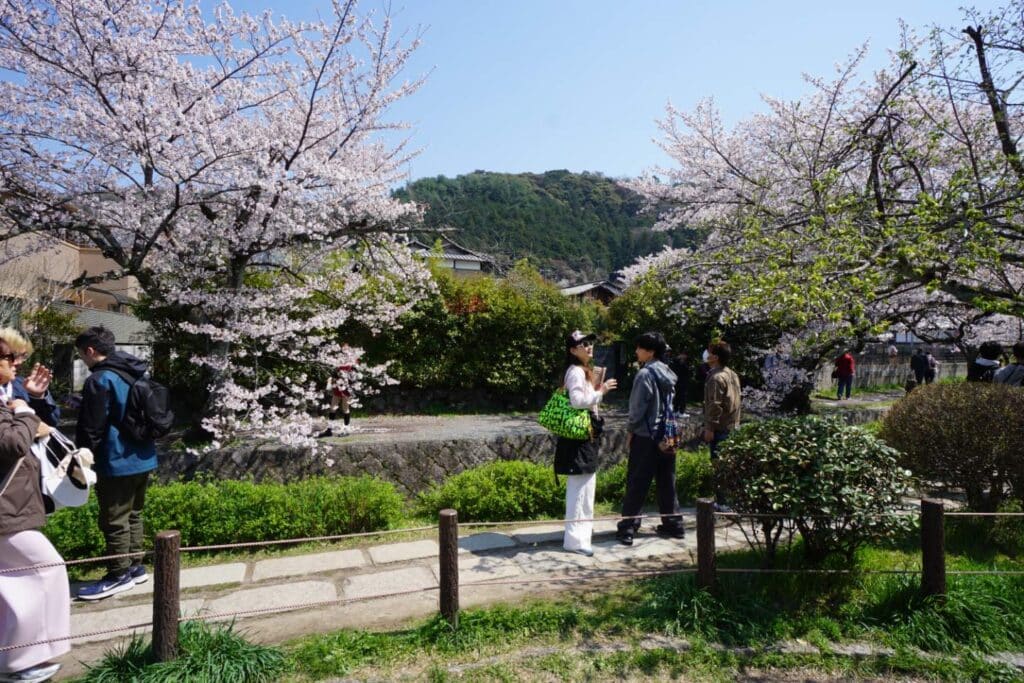
The IFoHS can provide a Letter of Invitation (without financial information) for those who require it for their visa applications. This letter is available only to participants that will present their work at the symposium (Spouses and participants who will not present are not included in the letter of invitation). It will take two business days to issue the letter.
Please check the visa requirements for your nationality and plan your visa process ahead of time.
Yoko Kawai, Lecturer, Yale University (Chair)
Nesrine Mansour, Assistant Professor, University of Colorado Boulder (Co-chair)
Nader Ardalan, President, Ardalan Associates
Sayuri Hayakawa, Program-Specific Assistant Professor, Kyoto University
Vahid Vahdat, Assistant Professor, Washington State University
Riku Tanigawa, Assistant Professor, Kyoto University
Keisuke Inomata, Associate Professor, Kyoto University
Advisory Members
Usha Satish, Professor of Psychiatry and Behavioral Sciences, New York State Upstate Medical University
Yoshio Nakamura, Associate Professor, University of Utah, School of Medicine
Registration
**This symposium has already taken place. Registrations are no longer accepted. The following is for archival purposes only.
For registration, this is a first come, first serve opportunity with limited room, we are able to accommodate approximately 30 more registrations for participants. The Symposium fee is a flat rate of $425 USD, and lodging is not included. This will provide for all symposium activities during the day, and all meals, but registrants are asked to book their lodging independently of symposium registration (either at Kalyon hotel or nearby).
Please use the following forms to register for the 2024 ACSF 14 in Istanbul. Once you have filled out the forms, use the link on the confirmation page to pay the required fee and costs.
The symposium will begin Wednesday evening (June 5th) and end on Sunday evening (June 9th) with drinks and dinner. The symposium fee of $425 covers access to ALL conference functions including workshops (Thur & Fri), four lunches, five dinners including dinner outside the hotel, breakout session snacks and drinks, five social hour drinks and wine for dinner, Old City Sacred Sites Tour on Sunday with lunch, and ACSF fee ($25).
If you have dietary needs/choices, please fill out the appropriate form accordingly.
Refunds policy for cancellations:
The registration process starts with your review and acceptance of the ACSF Symposium Code of conduct.
Any questions? Please email the organizing team acsf14Istanbul@gmail.com
—
ACSF Symposium Code of Conduct & Ethics of Fellowship
We welcome all participants in a spirit of curiosity, respect, and compassion. Our symposia are safe and supportive places where diverse views and personal boundaries are mutually respected. Read the ACSF Symposia Code of Conduct and Ethics of Fellowship for further information.